The short definition
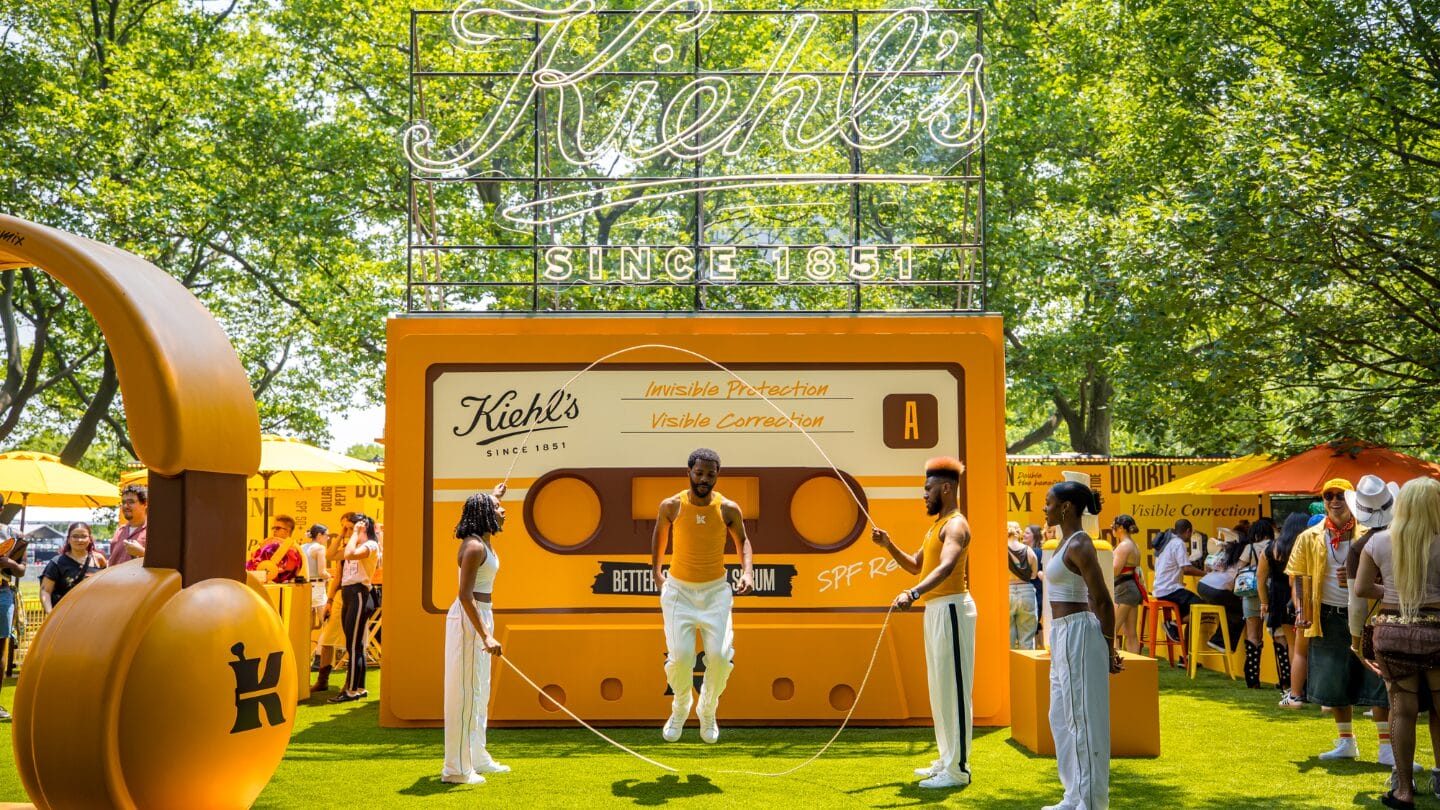
Experiential marketing (sometimes called engagement marketing or live marketing) is a strategy that promotes a brand through direct, in-person experiences. Instead of telling people about a product, you invite them to interact with it: at a pop-up, a launch event, an activation, a branded trip, or an immersive installation.
The goal isn’t a single transaction. It’s a memory. A well-built experience creates an emotional connection that follows the customer home and keeps working long after the event ends, through the photos they post, the story they tell, and the way they feel about your brand the next time they see it.
Why experiential marketing works
Traditional advertising interrupts. Experiential marketing invites. That difference is why it cuts through in a landscape where the average person sees thousands of ads a day and ignores almost all of them.
- Emotion drives memory. People remember how something made them feel far longer than they remember a headline. Experiences are built on feeling.
- Participation beats observation. When someone touches, tastes, or takes part in something, they’re invested. Investment builds loyalty.
- It’s inherently shareable. A great activation is designed to be photographed. Every attendee becomes a channel, extending reach far beyond the room.
- It earns trust. Showing up in real life, with craft and intention, signals confidence in a way a paid impression never can.
Experiential vs. traditional marketing
Traditional marketing is mostly one-directional: a brand broadcasts a message and hopes it lands. Experiential marketing is two-directional. The audience shapes the moment by being in it, and the brand gets something priceless in return: real reactions, real content, and real word-of-mouth.
The two aren’t rivals. The strongest campaigns use experiential as the centerpiece and traditional channels to amplify it: an activation creates the moment, and paid, social, and PR carry it to everyone who wasn’t there.
Instead of interrupting attention, experiential marketing earns it.
Common types of experiential marketing
“Experiential” is a broad umbrella. A few of the formats brands use most:
- Pop-ups & brand activations. Temporary, high-design spaces that let people experience a brand in a specific place and time.
- Launch events. Moments built to introduce a product, collection, or brand with impact and press.
- Trade shows & booths. Turning a standard industry footprint into a destination worth walking across the floor for.
- Sampling & product trials. Letting the product sell itself by putting it directly in people’s hands.
- Brand trips & retreats. Immersive, multi-day experiences that turn guests into genuine advocates.
- Immersive installations. Art-forward, photogenic environments designed to be explored and shared.
You can see how we group these on our services page: experiential sits at the center, with content, influencer/PR, and social built to make each moment travel.
How to measure experiential marketing
“You can’t measure experiences” is a myth. You just have to define success before you build. Depending on the goal, useful metrics include:
- Attendance and dwell time (how many showed up, how long they stayed)
- Content generated: photos, videos, and user posts
- Social reach, impressions, and engagement lift
- Press pickups and earned media value
- Email or lead capture on-site
- Follower growth and, when it applies, sales impact
Rule of thumb: agree on the one or two metrics that matter most before anything is designed. The goal shapes the moment: a press-driven launch looks very different from a community-building pop-up.
Is experiential marketing right for your brand?
It’s an especially strong fit if you’re launching something, entering a new market, building community, or trying to shift how people feel about you, not just what they know. It works for emerging labels and established names alike; intention matters more than budget size.
If your brand would benefit from being felt instead of just seen, experiential is worth a serious look. And you don’t need to have the concept figured out to start. That’s the part we love.